Once the fall rains set in, a lot of Seattle homeowners stop thinking about siding and start looking hard at their living rooms. Plain painted walls are fine, but after a few months of gray skies, many people want a room with more depth, texture and character. That’s where faux finishes and wall coverings come in. Done well, they can make a dining room feel warmer, give a hallway some personality or bring back the charm of an older home. Our specialty painting team handles these projects across Seattle and the Eastside, and the question we hear most is simple: are they worth the investment?
What Counts as a Faux Finish?
Faux finishes use paint, plaster or glaze to imitate another material or add visual texture. The most popular options in Seattle homes right now include:
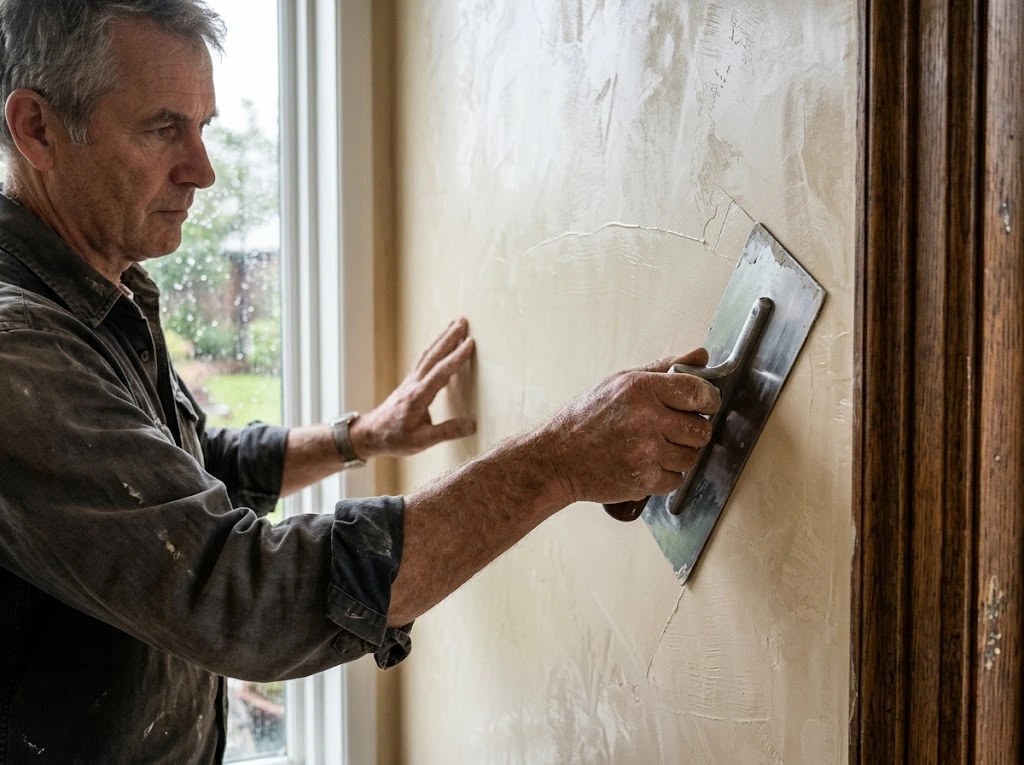
- Venetian plaster, a smooth, layered lime plaster finish that can be polished to a soft sheen
- Faux marble, which uses glazes and veining to mimic natural stone on columns, fireplace surrounds or accent walls
- Textured walls, from subtle trowel textures to more dramatic limewash and plaster effects
- Color washing and glazing, which add depth and movement to flat painted surfaces
- Metallic finishes for ceilings, niches and accent areas
Unlike the heavy sponge painting of the 1990s, modern faux finishes tend to be quieter. Think soft movement and texture rather than busy patterns.
Wall Coverings Have Changed Too
Wallpaper has come a long way. Today’s wall coverings include grasscloth, textured vinyl, fabric backed papers, murals and removable options for renters. Many are designed for easier installation and removal than the papers our parents fought with.
For Seattle homes, material choice matters. Puget Sound humidity can be tough on some wall coverings, especially in bathrooms, laundry rooms and kitchens. A few guidelines:
- Choose vinyl or vinyl coated wall coverings for bathrooms and other damp rooms.
- Save grasscloth and natural fiber papers for living rooms, bedrooms and offices with steady humidity.
- Make sure walls are properly primed so moisture doesn’t break down the adhesive.
- Run bath fans and keep indoor humidity in check to protect seams and corners.
The EPA’s guide to mold and moisture recommends keeping indoor humidity below 60 percent, which helps protect both wallpaper and the walls behind it.
Accent Walls in Older Capitol Hill and Queen Anne Homes
Seattle’s older neighborhoods are where faux finishes and wall coverings really shine. Many homes in Capitol Hill and Queen Anne still have original plaster walls, picture rails, coved ceilings and detailed trim. A Venetian plaster accent wall or a period inspired wallpaper can feel right at home in those spaces in a way that flat modern paint sometimes can’t.
Older homes also need extra care. Plaster walls often have hairline cracks or uneven areas that must be repaired first, and homes built before 1978 may have lead paint under the surface. Our article on painting older Seattle homes explains plaster prep and lead safe practices in more detail.
Popular accent wall ideas we see in these neighborhoods include:
- A Venetian plaster wall behind a dining table or bed
- Faux marble on a fireplace surround
- Grasscloth in a home office or library
- A bold botanical wallpaper in a powder room
So, Are They Worth It?
It depends on the room, your budget and how long you plan to stay in the home. Faux finishes and wall coverings are usually worth it when:
- You want a focal point in a room you use often, like a dining room or living room
- Your home has architectural details that benefit from texture and depth
- You plan to stay in the home for several years and enjoy the result
- You want durable texture that hides minor wall imperfections
They may not be the best fit when:
- You’re preparing to sell soon and want broad buyer appeal
- The room is very damp and poorly ventilated
- You’re looking for the lowest cost update
Cost varies based on the finish, wall condition and size of the area. Venetian plaster and hand painted faux marble take more skilled labor than standard paint, while many wall coverings fall somewhere in between. Our house painting cost guide explains the factors that drive pricing for Seattle projects.
Why Professional Application Matters
These finishes look simple once they’re done, but they require practice and patience. Venetian plaster needs several thin layers and careful burnishing. Faux marble depends on an artist’s eye for veining and color. Wallpaper must be hung with tight seams and proper pattern matching.
A professional team also handles the prep that makes these finishes last:
- Repairing cracks and smoothing uneven walls
- Priming for the right adhesion
- Protecting floors, trim and furniture
- Sealing finishes where needed in damp areas
Caring for Textured Walls and Wallpaper
Specialty walls don’t need much upkeep, but a little care keeps them looking good for years:
- Dust textured and plaster walls with a soft, dry microfiber cloth instead of scrubbing.
- Spot clean Venetian plaster with a damp cloth and mild soap, then dry it right away.
- Avoid harsh cleaners and abrasive pads on glazes and metallic finishes.
- Keep an eye on wallpaper seams in bathrooms and kitchens, and reglue small lifts early.
- Ask your painter to leave a small amount of leftover plaster, glaze or wallpaper for future touch ups.
Most issues we see come from moisture or rough cleaning, not the finish itself. A well ventilated room and a gentle hand go a long way, especially through a long, damp Seattle winter.
Talk With Our Specialty Finishing Team
Seattle Painting Specialists has more than 35 years of experience with interior and specialty work around Puget Sound. Our specialty finishing team can show you samples, recommend finishes that fit your home and help you pick wall coverings that will hold up in Seattle’s damp climate.
Before you call, you can read our Google reviews to see what homeowners say about our work. Then reach out for a free estimate and let us help you choose the right finish for your space.
Frequently Asked Questions
Are faux finishes out of style?
Not the modern versions. Heavy sponge painting has faded, but Venetian plaster, limewash, subtle texture and faux marble are popular in today’s homes.
How long does Venetian plaster last?
With proper application and care, Venetian plaster can last for decades. It’s durable, resists everyday wear and can be repaired in small areas.
Is wallpaper a good idea in a Seattle bathroom?
It can be, as long as you choose vinyl or moisture resistant wall coverings and use the bath fan to control humidity. Natural fiber papers are better in dry rooms.
Do faux finishes add value to a home?
They can add appeal in the right setting, especially in older homes with character. For a quick sale, neutral paint often appeals to more buyers.
Can faux finishes be painted over?
Yes, though textured finishes may need sanding, skim coating or special primer first so new paint goes on smoothly.
What is the difference between Venetian plaster and limewash?
Venetian plaster is applied in thin layers with a trowel and can be polished smooth. Limewash is brushed on and leaves a softer, chalky, matte look with gentle movement.