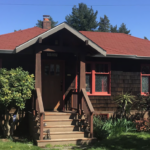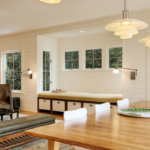
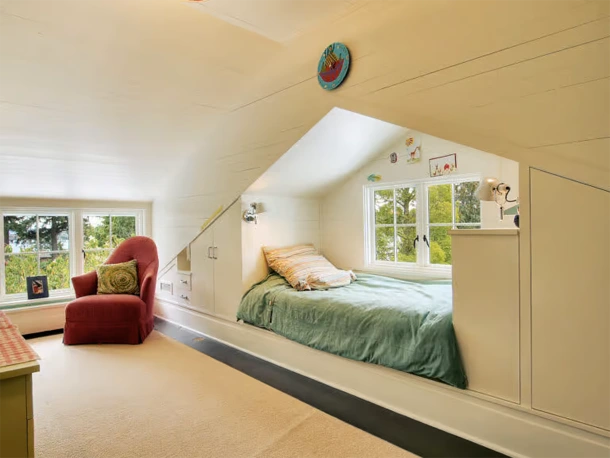
Seattle has no shortage of character homes from Craftsman bungalows in Ballard, Tudors in Green Lake, classic Queen Anne four-squares, and older remodels across Capitol Hill and Beacon Hill. The charm is real, but so are the painting challenges. If your home was built before 1978, interior painting often involves three “big-ticket” realities: plaster walls, detailed trim, and lead-safe work practices.
This guide breaks down what to expect and how to plan an interior painting project that looks crisp, lasts longer, and keeps the jobsite safer—especially in older Seattle housing stock.
Why older Seattle interiors need a different painting approach
In many pre-1978 Seattle homes, walls and ceilings aren’t modern drywall. You’ll often see plaster and lath, layered paint histories, and trim profiles that were built to be a focal point. That means the “easy” part (rolling on color) is usually the smallest part of the job. The results depend on prep: stabilizing surfaces, repairing imperfections, and choosing the right primers and finishes for older materials.
Plaster walls: what’s different (and why prep matters)
Plaster is durable, but it behaves differently than drywall. It can be more porous, may have hairline cracking, and can delaminate in spots—especially around old moisture issues or areas that have been patched repeatedly over decades. If you paint without addressing those issues, you may get telegraphing cracks, peeling, or uneven sheen.
Common plaster issues we see in Seattle homes
- Hairline cracks at corners, above doors/windows, and along ceiling transitions
- Chalking or dusty surfaces that prevent good paint adhesion
- Patchy textures from prior repairs that flash under certain lighting
- Localized failure where plaster has loosened from the lath (often feels “hollow”)
How to prep plaster for a smooth, long-lasting finish
A professional plaster prep plan usually includes cleaning, stabilizing, repairing, and sealing:
- Surface cleaning to remove dust/grease that can cause adhesion failure
- Repair strategy based on the issue: crack repair, skim coating, or targeted plaster stabilization
- Sanding and feathering to blend repairs into the surrounding wall plane
- Priming to seal porous or repaired areas so the topcoat lays down evenly
Seattle-specific note: older interiors can have dramatic lighting shifts (overcast winter days vs bright summer evenings). Smooth prep and proper priming help prevent patchy “flashing” that becomes obvious when the light changes.
Detailed trim and millwork: how to get crisp lines without losing character
Older Seattle homes often have thick baseboards, window casings, crown molding, picture rails, and paneled doors. Painting trim well is part technique, part patience—and part choosing the right sheen so it’s durable without looking plastic.
What makes older trim harder to paint
- Layered paint buildup can soften edges and hide the trim’s profile
- Old caulk lines may be cracked or separated from seasonal movement
- Previous brush marks can show through if not leveled properly
Trim strategy that keeps things sharp
- Detail-first prep: careful sanding and spot filling to restore clean edges
- Targeted masking (used selectively) and consistent cut-in technique for straight lines
- Sheen selection: many homeowners choose a higher sheen on trim for wipeability while keeping walls in a lower sheen for a softer look
Lead-safe practices for pre-1978 Seattle homes
If your home was built before 1978, lead-based paint may be present under newer layers. Renovation work that disturbs painted surfaces can create lead dust, which is why lead-safe practices matter during prep—especially when sanding, scraping, or repairing trim and windows.
When lead rules can apply
In the U.S., the EPA’s Renovation, Repair and Painting (RRP) Rule generally requires that certain renovation, repair, and painting projects in pre-1978 homes be performed by lead-safe certified firms and trained/certified renovators when the work disturbs painted surfaces above specified thresholds. In Washington, the state program is administered through the Washington State Department of Commerce.
Homeowner tip: If your home is older, ask any painting contractor what their lead-safe process is and whether the project requires RRP compliance based on the scope.
What lead-safe setup looks like on an interior painting job
1) Containment
Work areas are isolated to reduce dust travel—think plastic sheeting, sealed doorways, and protected floors. This is especially important in occupied homes and in tight Seattle layouts where rooms connect quickly.
2) Dust control
Lead-safe work focuses on minimizing dust creation and spread. That can include wet methods, controlled sanding approaches, and using appropriate vacuums/filtration when required.
3) Thorough cleanup
A proper cleanup process matters as much as the prep. The goal is to leave the space visibly clean and reduce residual dust—especially around baseboards, sills, and transition areas.
Planning your interior painting project in Seattle
Timing, access, and daily livability
Seattle homeowners often want projects that move fast and stay tidy—particularly in smaller homes, split levels, and busy family households. A smart plan includes:
- Room-by-room sequencing so you can keep living comfortably during the project
- Ventilation planning (especially in winter when windows are closed more often)
- Clear scope decisions upfront: walls only vs walls + ceilings + trim + doors
Ready to paint your older Seattle home?
If you’re considering interior painting in Seattle, WA for a pre-1978 home, the best first step is a walkthrough that evaluates plaster condition, trim detail, and the prep needs that will drive results. Seattle Painting Specialists can help you map the scope, the sequence, and the right finishes—so your home keeps its character while looking clean, bright, and updated.
Contact Seattle Painting Specialists today to get a free estimate on your interior painting project. Lets the professionals handle your Seattle home repaint today!